Chojagahara Site
 Favorite
menuMenu

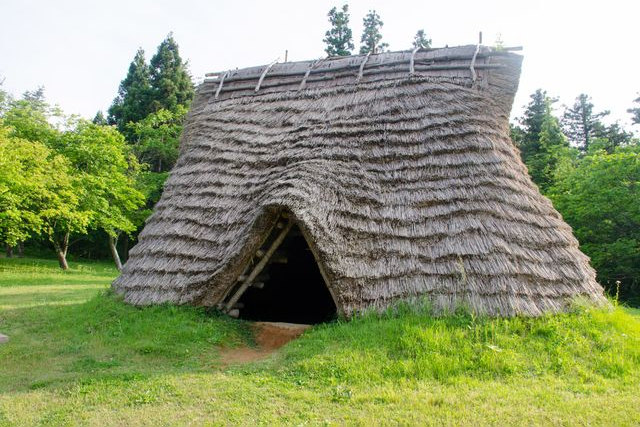
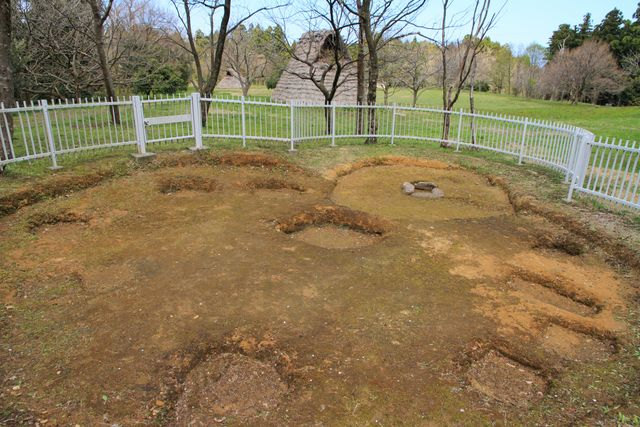
The site of a Jomon period village (4500-3500 years ago) renowned for its jade production. Explore reconstructed dwellings and stone tool workshops.
Highlights
- Jomon period (Middle Jomon) jade production village site
- Reconstructed dwellings and stone tool workshops
- View jade raw materials and processed artifacts
- Glimpse into Jomon-period daily life
- View excavated artifacts at the adjacent Chojagahara Archaeological Museum
Basic Information
- Address
- Oono, Itoigawa City, Niigata Prefecture Search for tourist attractions in Niigata
- Access
- About a 5-minute walk along a mountain path from the Chojagahara Archaeological Museum. Show route
- Op.Hours
- Monday: 9:00 AM - 5:00 PM, Tuesday: 9:00 AM - 5:00 PM, Wednesday: 9:00 AM - 5:00 PM, Thursday: 9:00 AM - 5:00 PM, Friday: 9:00 AM - 5:00 PM, Saturday: 9:00 AM - 5:00 PM, Sunday: 9:00 AM - 5:00 PM
- Cld.Days
- Open every day
- Fee
- Free
- INFO
- Explore the free excavation site featuring reconstructed dwellings and pottery disposal areas. The Choja-gahara Archaeological Museum (paid admission) offers a combined ticket with the Fossa Magna Museum. Don't miss the museum's impressive jade collection, though please note that it was temporarily closed until the end of January of the following year.
Overview



Recommended nearby attractions
Nearby Hotels


Travel Essentials
Tourist Spots by Theme
Tourist Spots by Region