Hakoshima Shrine
 Favorite
menuMenu

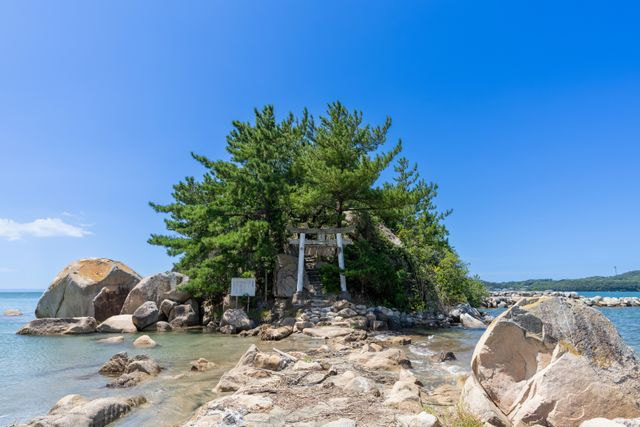
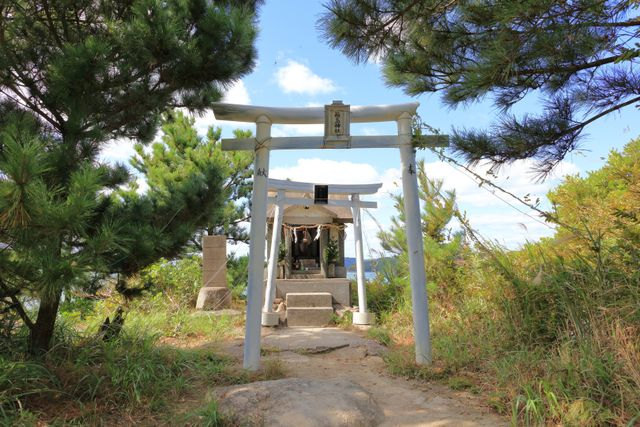
A mystical 'Ryugu Palace on the Sea' that changes its appearance with the ebb and flow of the tide. This power spot, where the gods of matchmaking and ears reside, offers breathtaking scenery reminiscent of a Ghibli world.
Highlights
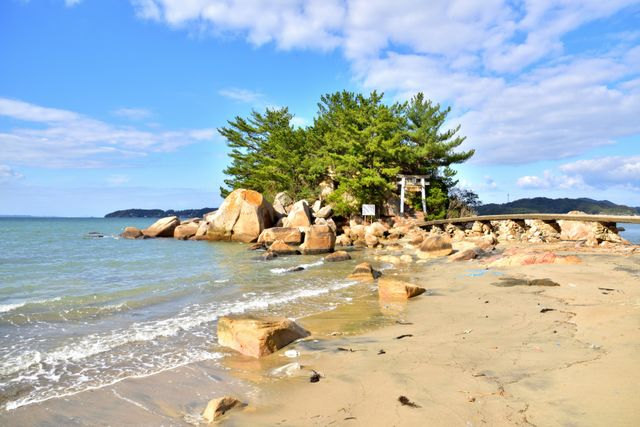
- A mystical 'Ryugu Palace on the Sea' that changes its appearance with the ebb and flow of the tide
- A power spot for love, granting blessings for romantic success and good matches
- The bamboo pipe (hifukidake) worshipped for curing ear ailments
- Like a Ghibli world! Fantastical scenery and natural beauty
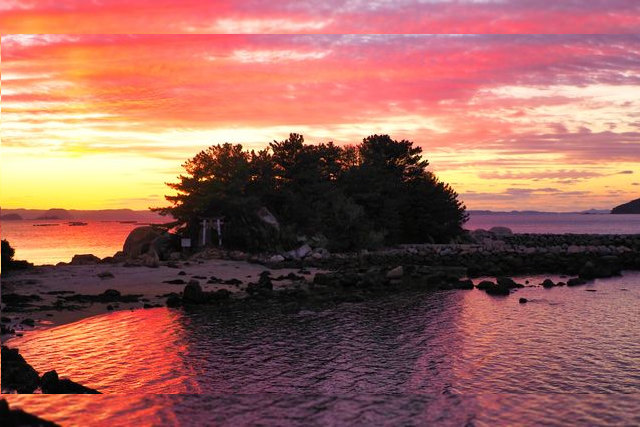
- Spectacular sunsets over the ocean and crepuscular rays (angel's ladder) in winter
Basic Information
- Address
- 86 Hamakubo, Nijo, Itoshima City, Fukuoka Prefecture Search for tourist attractions in Fukuoka
- Access
- [object Object] Show route
- Op.Hours
- Access to the island is not possible during high tide. The shrine can only be visited during low tide. As high tide often occurs in the morning, visiting in the afternoon is recommended. The annual festival is held at 2:00 PM on April 21st every year.
- Cld.Days
- Closed during high tide, typhoons, and other severe weather conditions.
- Fee
- Free
- INFO
- - Hakoshima Shrine does not have an office (shamusho). Goshuin (red stamp certificates) are available at Chinkaiseki Hachimangu Shrine (2385 Nijo Yoshii, Itoshima City, Fukuoka Prefecture), about a 10-minute drive away. They are pre-written (kakiki-oki) and cost 500 yen each. Mail order is also available. - The path to the island involves rocky stairs and narrow unpaved roads, so comfortable, rubber-soled shoes are highly recommended. - On-street parking on National Route 202 is strictly prohibited, and a fine of 15,000 yen will be imposed. Please ensure you use either a designated paid or free parking lot. - Since access to the island is not possible during high tide, please check the Japan Meteorological Agency's tide level data in advance. As a guideline, if the high tide exceeds 200cm, the island may be entirely submerged by seawater.
Overview


Recommended nearby attractions
Nearby Hotels


Travel Essentials
Tourist Spots by Theme
Tourist Spots by Region