Cape Sada
 Favorite
menuMenu

This unparalleled location is Japan's longest and narrowest peninsula, situated at Shikoku's westernmost tip, offering dynamic panoramic views of the Uwa Sea, Seto Inland Sea, and Bungo Channel, as well as the unique opportunity to enjoy both sunrise and sunset.
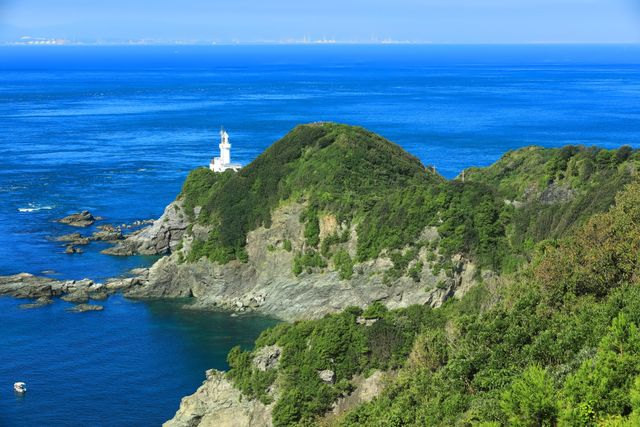
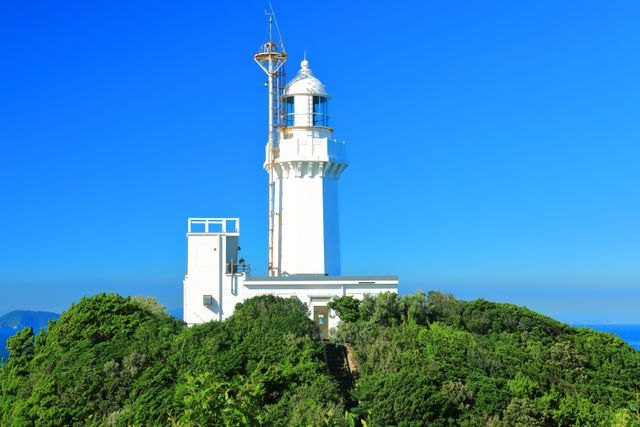
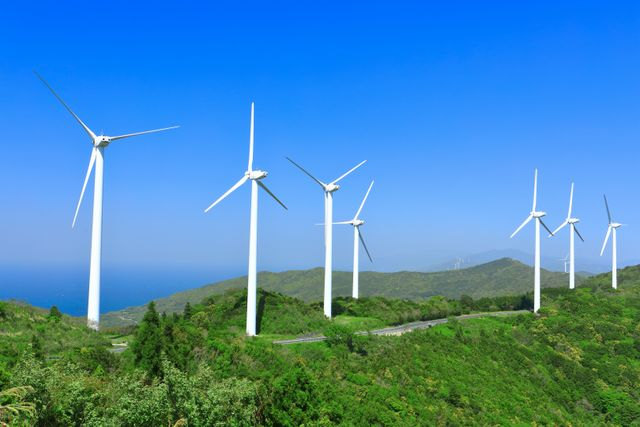
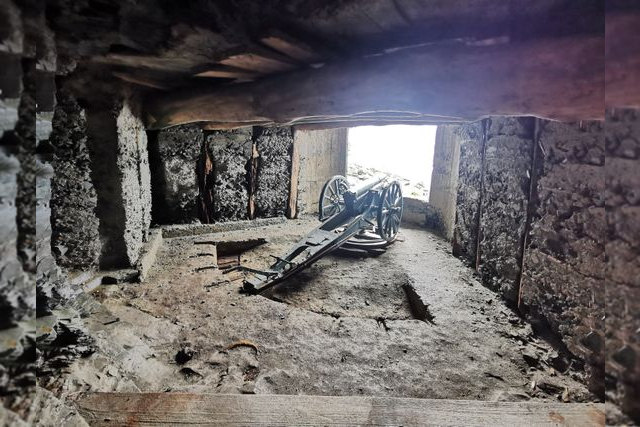
Highlights
- 360-degree panoramic views from Shikoku's westernmost tip
- Historic and charming Cape Sada Lighthouse
- Magnificent sunrise over the Uwa Sea
- Breathtaking sunset over the Seto Inland Sea
- Scenic drive along Japan's longest and narrowest peninsula
Basic Information
- Address
- 2935 Masano, Ikata-cho, Nishiuwa-gun, Ehime, Japan Search for tourist attractions in Ehime
- Access
- 【By Car/Motorcycle】 From Honshu/Shikoku, take the Matsuyama Expressway to Matsuyama IC, then continue for approximately 3 to 3.5 hours. From Kyushu, take the Kushi Ferry from Sagaseki Port to Misaki Port (approx. 70 minutes, 16 services daily), then drive from Misaki Port to the Cape Sada Lighthouse Parking. 【By Public Transport】 From JR Yawatahama Station, take a bus, taxi, or rental bicycle to Sadamisaki Peninsula. From Matsuyama Airport, it's about a 2.5-hour drive by rental car, or take a limousine bus to Matsuyama Station, then transfer to a train/bus to Yawatahama Station. 【Access to Cape Sada Lighthouse】 From the Cape Sada Lighthouse Parking, it's about a 30-minute walk (one-way) to the lighthouse via a walking trail (1.8km, with inclines). Show route
- Op.Hours
- Sadamisaki Lighthouse is accessible 24 hours a day. However, for your safety, we strongly recommend using the scenic walking trail from the parking lot to the lighthouse only during daylight hours.
- Cld.Days
- Open daily, year-round.
- Fee
- Admission is free.
- INFO
- From the Sadamisaki Lighthouse parking lot, embark on an approximately 1.5-hour round-trip walk (about 3.6 km or 2.2 miles) to the lighthouse. This charming trail features varied elevations, offering a wonderful experience. Please ensure you wear comfortable walking shoes and bring plenty of water. There are no restrooms or vending machines along the trail, so we advise you to prepare accordingly before you set out. For your safety, please be extremely cautious in certain areas where venturing off the path can lead to steep cliffs and drops. This is particularly crucial if you are visiting with small children or have any concerns about your footing. The parking lot accommodates approximately 10 vehicles. If you're not entirely confident navigating narrow, winding roads, which you will encounter in some sections, we recommend visiting with a compact car or a vehicle with a narrower width.
Overview


Recommended nearby attractions
Nearby Hotels


Travel Essentials
Tourist Spots by Theme
Tourist Spots by Region