Hyogo Prefectural Kounotori no Sato Park
 Favorite
menuMenu

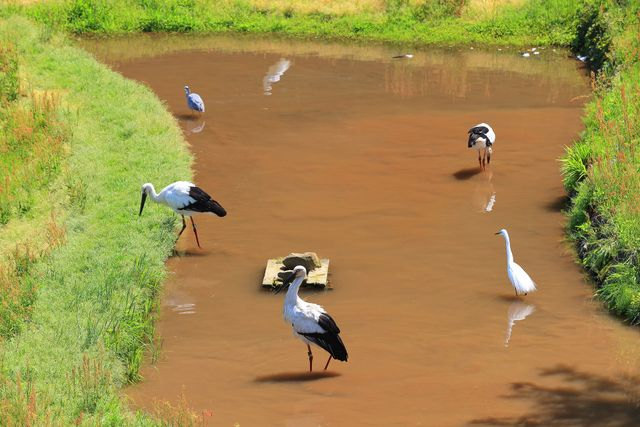
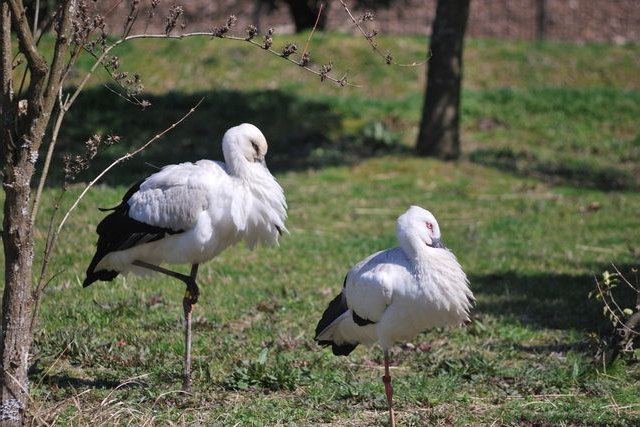
A park dedicated to the protection and rewilding of the endangered Oriental White Stork. Observe captive storks, explore the wetlands, and connect with nature.
Highlights
- Observe captive Oriental White Storks
- Explore expansive wetlands
- Learn about stork ecology and conservation efforts
- Connect with nature and reflect on environmental issues
- Witness the stork rewilding initiatives
Basic Information
- Address
- 128 Shoyunji, Toyooka City, Hyogo Prefecture Search for tourist attractions in Hyogo
- Access
- Take the JR West Japan Sanin Main Line and then the Kyoto Tango Railway to Toyooka Station. From there, take the Zendan Bus bound for "Kounotori no Sato Park" and "Hokeji Temple" and get off at "Kounotori no Sato Park" (refer to the timetable for the "Toyooka~Sakaemachi・Hokeji Line"). Some buses to "Shimonomiya" also stop there. Alternatively, it's about a 30-minute walk from Kounotori no Sato Station on the Kyoto Tango Railway. From Tajima Airport, take the Zendan Bus toward Toyooka Station. Show route
- Op.Hours
- Monday: Closed, Tuesday: 9:00 AM - 5:00 PM, Wednesday: 9:00 AM - 5:00 PM, Thursday: 9:00 AM - 5:00 PM, Friday: 9:00 AM - 5:00 PM, Saturday: 9:00 AM - 5:00 PM, Sunday: 9:00 AM - 5:00 PM
- Cld.Days
- Monday
- Fee
- Adult: ¥500, Child: ¥250
- INFO
- While the park is largely barrier-free, some areas may have steps or inclines. If you have any questions or concerns, especially if you are using a wheelchair, please contact us in advance.
Overview


Recommended nearby attractions
Nearby Hotels


Travel Essentials
Tourist Spots by Theme
Tourist Spots by Region