Niukawakami Shrine Kami-sha (Upper Shrine)
 Favorite
menuMenu

The "Grand Head Shrine of Dragon Gods" nestled at the source of water. This ancient shrine, with a history of approximately 1300 years, worships Takaokami-no-kami, the deity of rain. Its greatest charm is the breathtaking panoramic view from the "Shrine in the Sky."

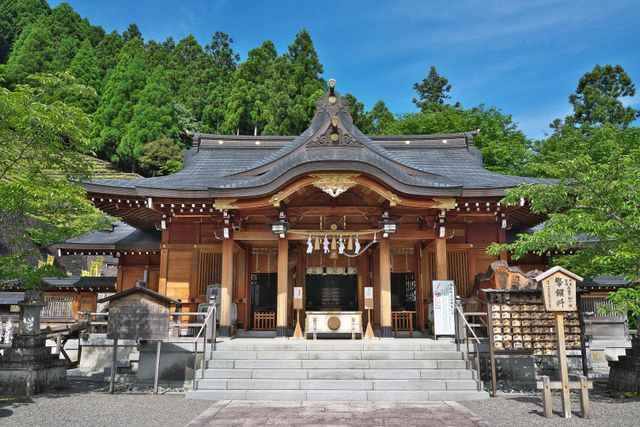
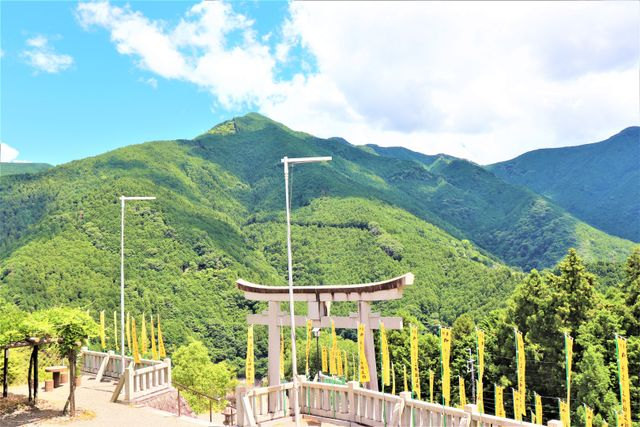
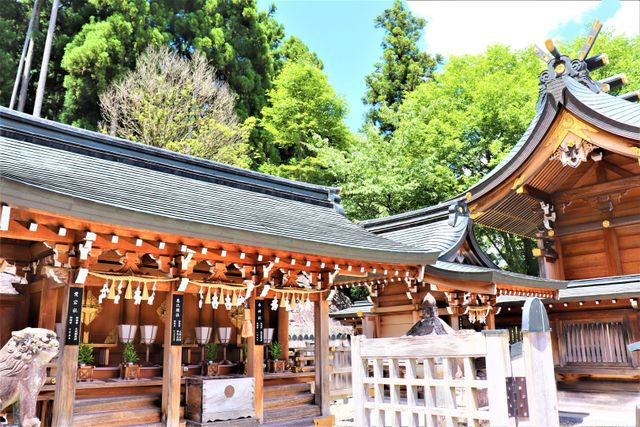
Highlights
- The "Grand Head Shrine of Dragon Gods" nestled at the source of water
- Spectacular view from the "Shrine in the Sky" overlooking Otaki Dam Lake
- An ancient shrine with 1300 years of history, known for prayers for rain and stopping rain
- Unique omikuji (fortune slips) where you can get a "Dragon God's Orb"
- Miyanohira Ruins, ritual sites dating back to the Jomon period
Basic Information
- Address
- 869-1 Sako, Kawakami Village, Yoshino District, Nara Prefecture Search for tourist attractions in Nara
- Access
- From Yamato-Kamiichi Station on the Kintetsu Yoshino Line, take a Nara Kotsu bus (bound for Yumori Onsen Suginoyu) and get off at the final stop, "Yumori Onsen Suginoyu." If visiting by car, it's immediately next to Roadside Station "Suginoyu Kawakami." During festivals or special events, a free shuttle bus may be available from the Roadside Station. There are three parking lots (P1 to P3). Please note that the road from P2 to P1 is extremely narrow, requiring a multi-point turn even for small cars. Show route
- Op.Hours
- 9:00 AM - 4:30 PM
- Cld.Days
- Open daily all year round
- INFO
- During festival seasons, parking can get very crowded, so taking the free shuttle bus from Roadside Station "Suginoyu Kawakami" is highly recommended. Please note that the roads leading to Parking Lots 1 and 2 are narrow, so drive with extreme caution. As the enshrined deity is Takaokami-no-Kami, the god who controls rain, visiting on a rainy day can offer a uniquely profound experience, allowing you to connect with the deity in a special way. There's also a unique service: if you draw the "Kyo" (unlucky) fortune slip in the omikuji (fortune paper), you'll be granted a "Ryujin no Tama" (Dragon God's Orb), a lucky charm. Goshuin (red seal stamps) are handwritten; you can leave your Goshuin-cho (stamp book) before your visit and pick it up, paying, on your way out.
Overview


Recommended nearby attractions
Nearby Hotels


Travel Essentials
Tourist Spots by Theme
Tourist Spots by Region