A hot spring with 1300 years of history, loved by Basho. A hot spring resort where you can be healed by the beauty of the valley, traditional culture, and gourmet food.
Scenic Views
Japanese Gardens
Shrines and Temples
Castle
flower-viewing
📷
No image
📷
No image
📷
No image
📷
No image
📷
No image
📷
No image
📷
No image
📷
No image
Loading...
Highlights
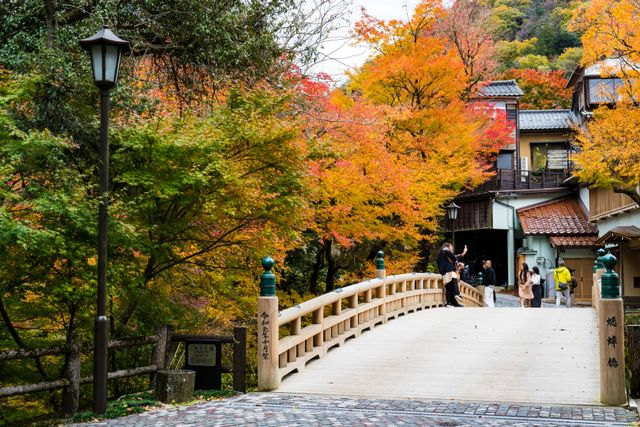
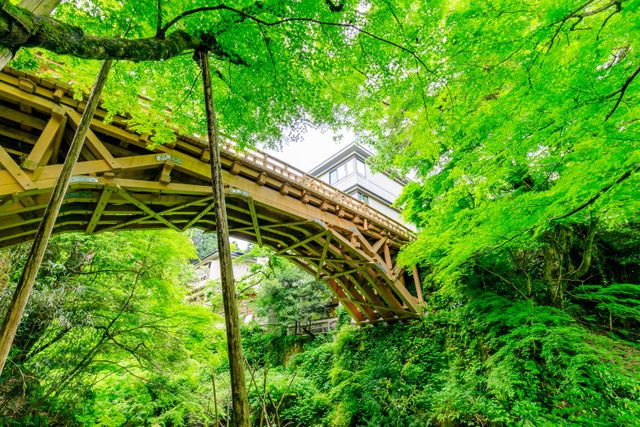
Relax in the superb view of Kakusenkei Gorge and the riverside deck
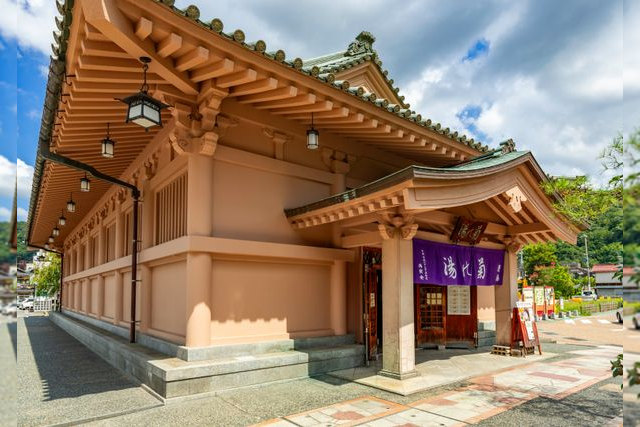
Enjoy the famous hot spring at the public bath 'Kiku no Yu'
Experience the traditional crafts of Yamanaka lacquerware and Kutani ware
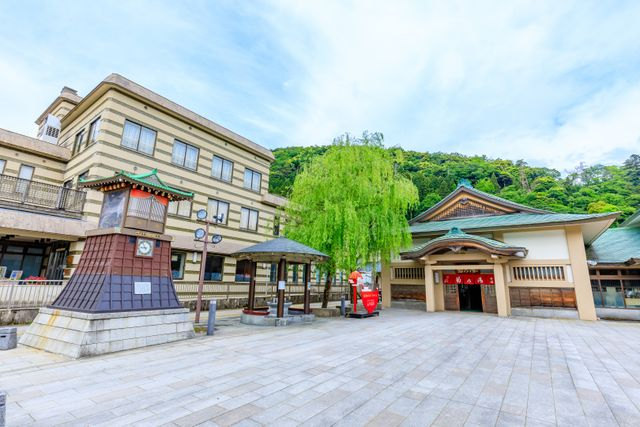
Enjoy eating and shopping for souvenirs on Yuge Street
Approximately 30 minutes by Kaga Onsen Bus from JR Kaga Onsen Station. Show route
Op.Hours
6:00 AM - 10:00 PM (December - February 7:00 AM - 9:00 PM)
Cld.Days
The 4th Wednesday of each month, 6:00 AM - 12:00 PM (Noon - Regular business hours)
Fee
Adults (12 years and older): JPY 500 (tax included) *JPY 700 (tax included) from April 1st, 2024
Children (6-11 years): JPY 200 (tax included)
Children (3-5 years): JPY 100 (tax included)
Under 3 years old: Free
*Please note: There are no shower facilities available. (Soap, shampoo, etc. cannot be used)
Yamanaka Onsen has a long history, said to have been discovered by the high priest Gyoki in the Nara period. In the Heian period, Nobutsura Hasebe, the lord of Noto, opened a hot spring inn and laid the foundation for the hot spring resort. During the Edo period, it flourished as a spa under the protection of the Kaga Domain. Matsuo Basho visited Yamanaka Onsen in 1689 and stayed for nine days. He praised the hot spring as one of the 'Three Famous Hot Springs of Japan' and composed the poem 'Yamanaka ya / Kiku wa taoraji / Yu no nioi' (In Yamanaka / I shall not pick chrysanthemums / The scent of the hot spring). In the hot spring town, there is the Basho-do Hall, which enshrines Basho, and the Basho Museum, which exhibits Basho's belongings. Yamanaka Onsen is also known as a production center for Yamanaka lacquerware. Yamanaka lacquerware is a traditional craft that has continued since the Azuchi-Momoyama period, characterized by delicate gold lacquer work and beautiful wood grain. There are many lacquerware stores in the hot spring town, making it an ideal place to choose souvenirs. Yamanaka Onsen is also the birthplace of Kutani ware. In the early Edo period, the Kaga Domain opened a kiln in Kutani village and started producing colored porcelain. In Yamanaka Onsen, there are Kutani ware galleries and workshops where you can experience the beautiful world of colored paintings. Rokusaburo Michiba, known as the Iron Chef, is from Yamanaka Onsen. In the hot spring town, there are restaurants produced by Michiba and inns where you can taste Michiba's cuisine. Yamanaka Onsen is also known as a gourmet destination, where you can enjoy seasonal ingredients such as crab dishes in winter and wild vegetable dishes in spring.
 Favorite