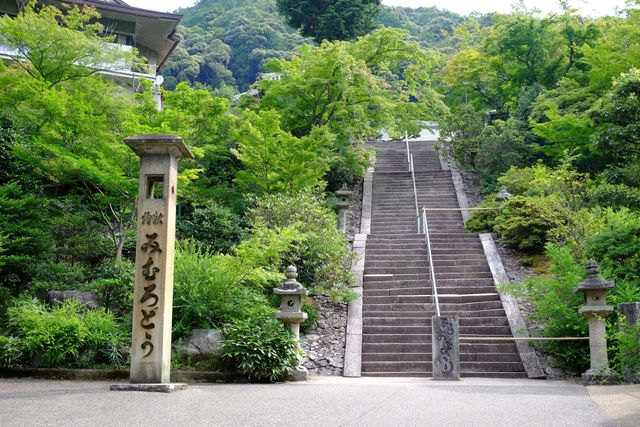
A 15-minute walk from Mimuroto Station (Keihan Uji Line).
Buses are available from Uji Station (JR West Japan) and Uji Station (Keihan). Additional buses run during the hydrangea season. Show route
Op.Hours
9:00 AM to 4:30 PM
Cld.Days
None
Fee
Adults: ¥500
Junior High & High School Students: ¥300
Elementary School Students: ¥200
INFO
The grounds are extensive, so please wear comfortable shoes.
Restrooms are available in several locations.
Pets are not allowed.
Mimuroto-ji Temple, located in Uji, Kyoto Prefecture, is a branch temple of the Hongan-shuji sect, and is known as the 10th temple on the Saigoku Sanjusan-so pilgrimage.
Its founding is said to date back to 770, when, according to legend, it was established by Gyōhyō, a monk from the Todai-ji temple in Nara, at the behest of Emperor Kōnin.
Temple lore recounts that Emperor Kōnin, wishing to know the source of a golden light that appeared nightly in the imperial palace, traced its origin to the upper reaches of the Shizugawa River, a tributary of the Uji River, where a thousand-armed Kannon statue, about six feet tall, was discovered.
It is said that Emperor Kōnin enshrined this statue, establishing Mimuroto-ji with Gyōhyō as its first abbot.
Later, Emperor Kanmu is said to have created a six-foot-tall Kannon statue, placing the previously discovered two-foot-tall statue inside. While the six-foot statue was lost in a fire during the Kansei era (1460-1466), the smaller, two-armed Kannon statue within survived.
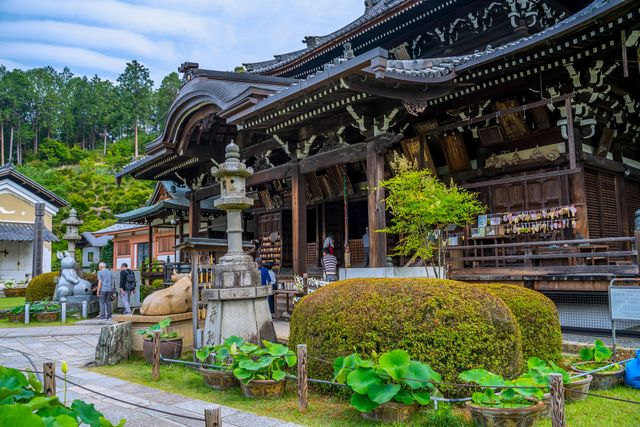
The current main hall was rebuilt in 1814 (Bunka 11) by Abbot Hōnyo. It's a substantial structure with a multi-tiered, gabled roof.
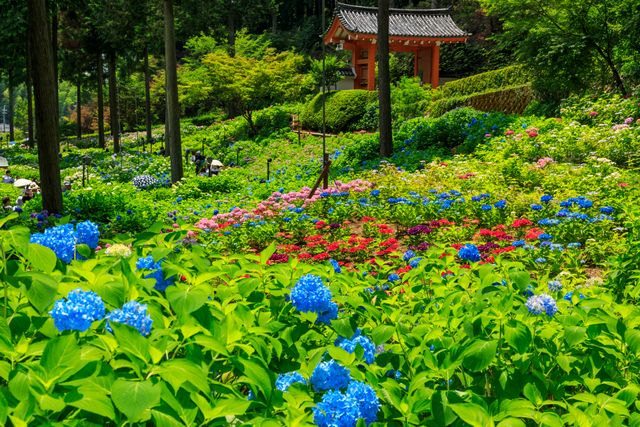
Mimuroto-ji is also famous as a hydrangea spot, with approximately 10,000 hydrangea plants bursting into bloom in June, transforming the temple grounds into a vibrant spectacle of color.
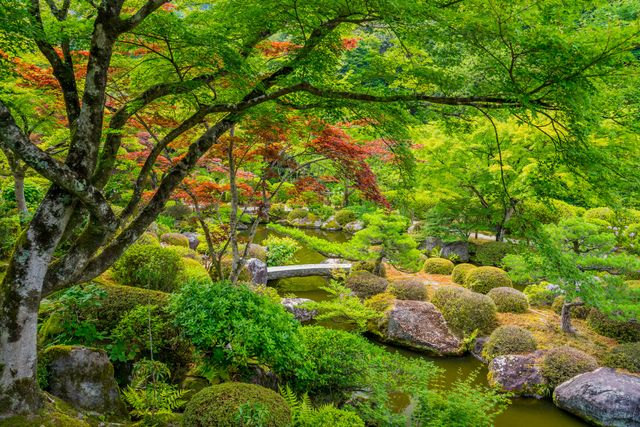
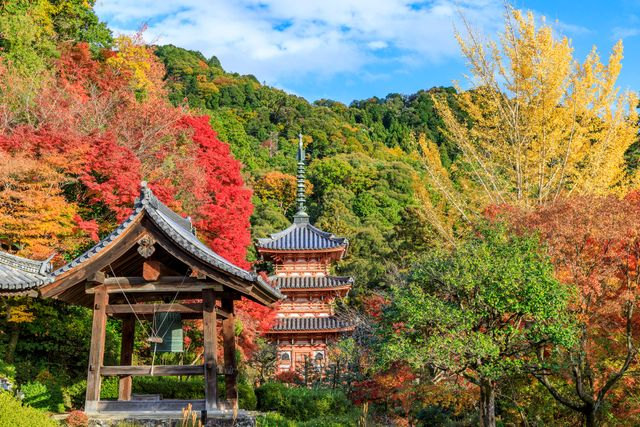
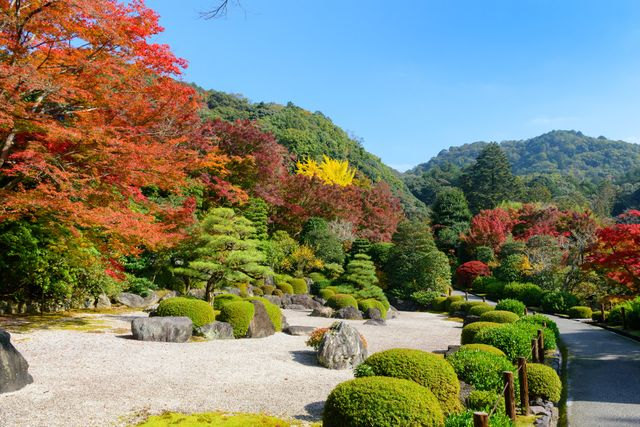
In addition, you can enjoy beautiful scenery throughout the year, with cherry blossoms in spring and autumn foliage.
Why not spend some time in this tranquil space surrounded by history and nature?
 Favorite