Kaijyusenji Temple
 Favorite
menuMenu

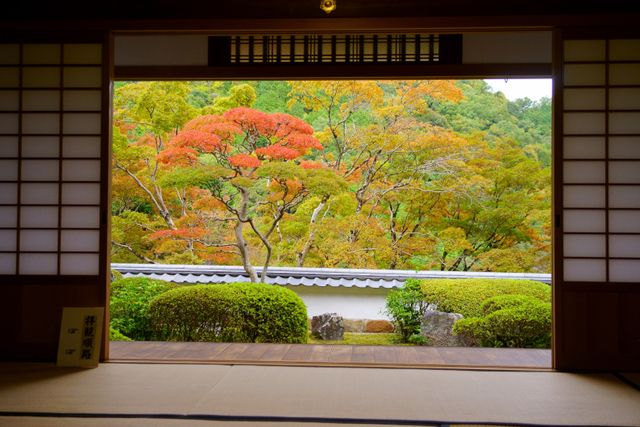
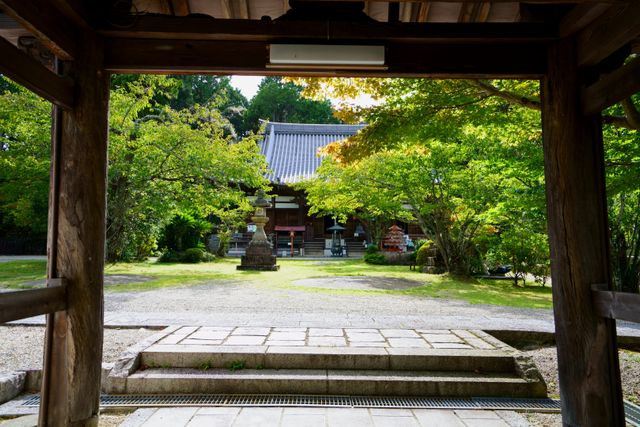
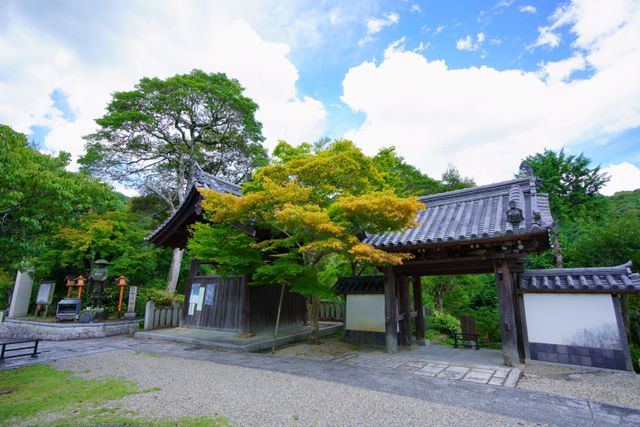
A hidden gem boasting a National Treasure Five-Storied Pagoda from the Kamakura period, uniquely beautiful with its "mokoshi" (skirt-like eaves) despite being Japan's second smallest. Enjoy breathtaking views where history and nature intertwine in a serene mountain setting.

Highlights
- "National Treasure Five-Storied Pagoda": A unique masterpiece of Kamakura-period architecture featuring "mokoshi" (skirt-like eaves).
- "Important Cultural Property Wooden Standing Eleven-faced Kannon Statue": Admire a masterpiece from the Heian period.
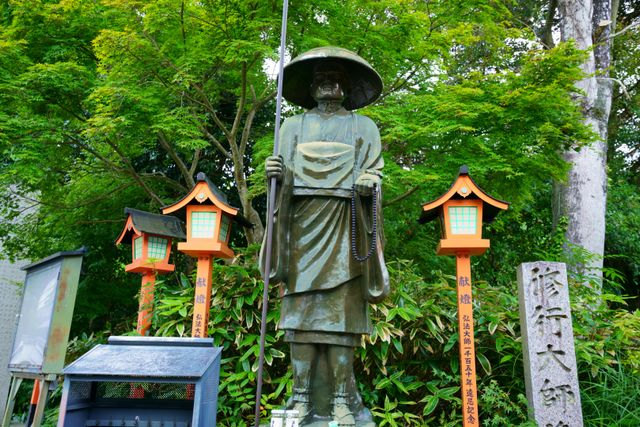
- A historic Shingon-shu temple revived by the esteemed monk Jōkei (Gedatsu Shōnin).
- "Bayberry Tree" on the temple grounds: Kyoto Prefecture's largest Bayberry tree.
- "Spectacular View": Breathtaking vistas overlooking Heihara from the tranquil mountainside.
Basic Information
- Address
- 20 Reizei, Kaijyusen, Kamo-cho, Kizugawa City, Kyoto Search for tourist attractions in Kyoto
- Access
- By Car: Approximately 2 km from National Route 163. Follow the directional signs. While some sections are narrow, the temple approach is wide enough for two cars to pass. Free parking is available. By Train/Bus: From Kamo Station on the JR Kansai Main Line, take the Nara Kotsu bus bound for "Wazuka-cho Kosugi" and get off at "Okazaki." It's approximately a 40-minute walk from there. Alternatively, take the Kizugawa City Community Bus and get off at "Kaijyusenji-guchi," then a 25-minute walk (no service on weekends and national holidays, and infrequent service on weekdays). Due to limited bus service and a long uphill walk after alighting, using a private car or taxi is a more practical option. Show route
- Op.Hours
- 9:00 AM - 4:30 PM
- Cld.Days
- Open year-round (Please note: wait times may occur during memorial services or special prayers.)
- Fee
- Admission to the grounds (for hiking, photography, strolling, etc.): 200 JPY Main Hall Viewing (to see the principal image, the Eleven-faced Kannon Bodhisattva, and other treasures): 500 JPY (includes grounds admission) Separate fees apply during special exhibition periods. Prayer Fees: General Prayer: 5,000 JPY; Goma Fire Ritual Prayer: 10,000 JPY / 20,000 JPY / 30,000 JPY; Traffic Safety Prayer for Vehicles: 5,000 JPY
- INFO
- Please be aware that temple viewing may be temporarily suspended or entail a wait during ongoing memorial services or special prayers. While hiking or enjoying the grounds, please note that picnic breaks and the use of tripods are restricted to visitors who have applied for and paid the admission fee for the Main Hall. Bus access is infrequent, and the stop requires a long uphill walk. We highly recommend using a private car or taxi for a more convenient visit. If you're approaching from National Route 24, your navigation system might direct you down narrow roads. For a much easier drive, please set your destination to the 'Kaijusenji-guchi' intersection. Prayer services are accepted from 9:00 AM to 4:00 PM. Advance contact is required for prayer services on days other than special memorial days (Goe-nichi). The temple also conducts memorial services for ancestors, Mizuko Kuyo (services for aborted or stillborn children), and interment services, welcoming all faiths and denominations. For further details, please do not hesitate to contact us.
Overview
Recommended nearby attractions
Nearby Hotels


Travel Essentials
Tourist Spots by Theme
Tourist Spots by Region