Murin-an
 Favorite
menuMenu

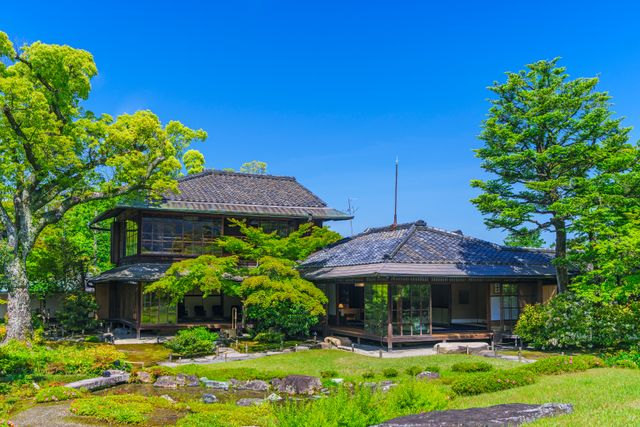
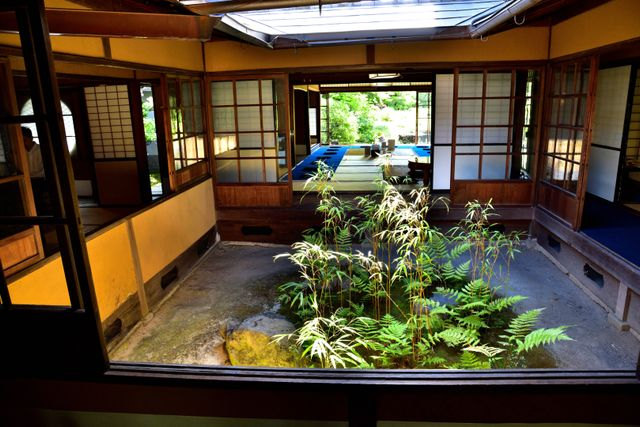
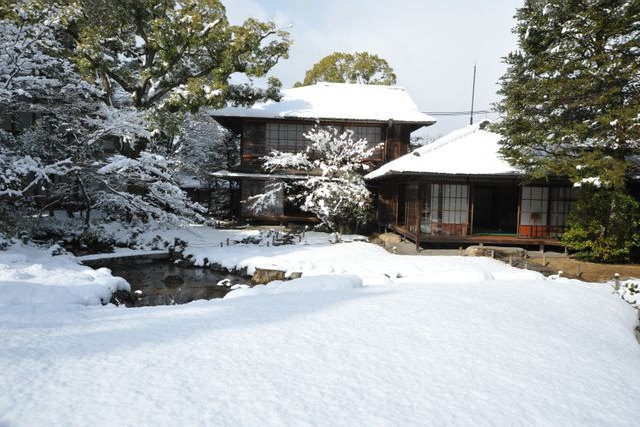
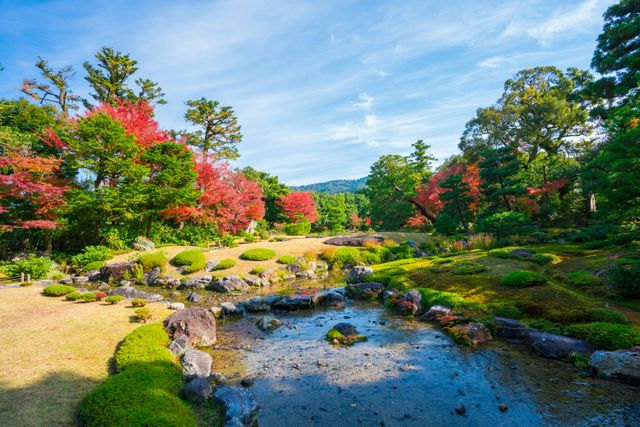
A dynamic modern Japanese garden utilizing the Higashiyama mountains as a borrowed landscape and incorporating water from the Lake Biwa Canal. This space, where a Western-style building steeped in Meiji-era history merges with the natural beauty that transforms with each season, captivates visitors.

Highlights
- Magnificent garden beauty with Higashiyama as a borrowed landscape and the gentle murmur of the Lake Biwa Canal.
- Innovative design that pioneered modern Japanese gardening.
- The Western-style building, scene of the historic "Murin-an Conference."
- Autumn leaves and moss carpets that transform with each season.
- A blissful moment at the Main House Cafe, where you can enjoy the garden view.
Basic Information
- Address
- 31 Kusagawacho, Nanzenji, Sakyo-ku, Kyoto City, Kyoto Prefecture Search for tourist attractions in Kyoto
- Access
- Kyoto City Bus: Get off at the "Jingu-michi" or "Okazaki Koen / Bijutsukan / Heian Jingu-mae" bus stop and walk for about 10 minutes. Kyoto Municipal Subway Tozai Line: Approximately a 7-minute walk from Keage Station. Taxi: Approximately 20 minutes from Kyoto Station. Murin-an does not have a parking lot, so using public transportation or a taxi is recommended. If you come by bicycle, you can use the on-site bicycle parking area (capacity for about 6 bikes). Show route
- Op.Hours
- From April to September, we welcome visitors from 9:00 AM to 6:00 PM. From October to March, our hours are 9:00 AM to 5:00 PM. Please note that the last admission is always 30 minutes before closing time.
- Cld.Days
- Closed annually from December 29th to December 31st. Please be aware of additional temporary closures for facility maintenance throughout the year. For instance, planned closures include August 5th, September 2nd, and December 11th in 2025, and January 14th, February 17th, and March 4th in 2026. For the most current and detailed schedule, we highly recommend checking our official website.
- Fee
- Standard Admission: 600 JPY. Peak Season Pricing (2025): Discover the beauty during our busiest times! From April 1st to April 13th, admission is 900 JPY. From April 26th to June 1st, it's also 900 JPY. In autumn, from October 11th to October 19th, it's 1,000 JPY, and from November 1st to November 14th, it's 1,000 JPY. The vibrant peak between November 15th and December 7th is 1,500 JPY. Looking ahead to 2026, enjoy our special New Year's period from January 1st to January 3rd for 1,000 JPY, and the spring dates from March 28th to March 31st for 1,000 JPY. Please note that prices may fluctuate based on the timing of your ticket purchase. We highly recommend checking our official website for the most current pricing before your visit. Admission Exemptions: We are pleased to offer free admission to residents of Kyoto City aged 70 and over. Exemptions also extend to individuals holding a long-term care insurance certificate, along with one accompanying caregiver, and individuals presenting a physical disability certificate or similar identification, along with one accompanying caregiver. Furthermore, elementary and junior high school students residing in Kyoto City or attending schools within the city, as well as infants and preschoolers, are granted free admission. Admission Discounts: Enjoy a 100 JPY discount upon presenting a Kyoto City Subway 1-Day Free Ticket or similar eligible passes. University and junior college students enrolled in the Kyoto City Campus Cultural Partners Program can also enter for a special rate of 100 JPY.
- INFO
- To ensure a smooth visit, advance reservations are highly recommended, as entry is not permitted after your reserved time. All payments are required in advance, and please be aware that a 100% cancellation fee applies to all cancellations. For group visits of 10 or more people, payment must be completed at least 30 days prior to your scheduled arrival. For the safety and well-being of all, visitors experiencing fever or any signs of illness are kindly asked to refrain from entering. Alcohol sanitization is also required upon entry. To help us preserve the beauty and integrity of our historic facility, we kindly ask all visitors to follow the designated tour route guided by our knowledgeable staff. Special photography rules apply: For video recording, photography featuring individuals or personal belongings as the main subject, or the use of tripods, monopods, or selfie sticks, a prior application and a photography fee are required (30,000 JPY). For professional or pre-wedding shoots, the fee is 100,000 JPY. Any photography that may disrupt other visitors' enjoyment is also subject to these regulations. Your standard admission fee grants you access to our magnificent garden, the elegant first floor of the main house (Omoya), and the charming Western-style building (Yokan). Should you wish to experience the serene tea ceremony room or explore the second floor of the main house, please note that separate paid reservations are required. Join us for engaging events! A delightful mini-lecture on local wild birds is held on the first and third Wednesdays of every month. Plus, mark your calendars for the 28th of each month, our special 'Garden Day,' offering free admission to visitors aged 35 and under (valid ID required).
Overview
Recommended nearby attractions
Nearby Hotels


Travel Essentials
Tourist Spots by Theme
Tourist Spots by Region